
The Institution for Contemporary Art, Reinbeckhallen in collaboration with Daniel Marzona and Loock Gallery presents:
You are -ontological positions around matter.
As stated in the text accompanying the show… The exhibition portrays how today contemporary artists place their work inside the philosophical debate of being and becoming, essence and existence, thinking and perceiving.
The aim of the exhibition is to show different approaches on how form participates in the becoming of matter.
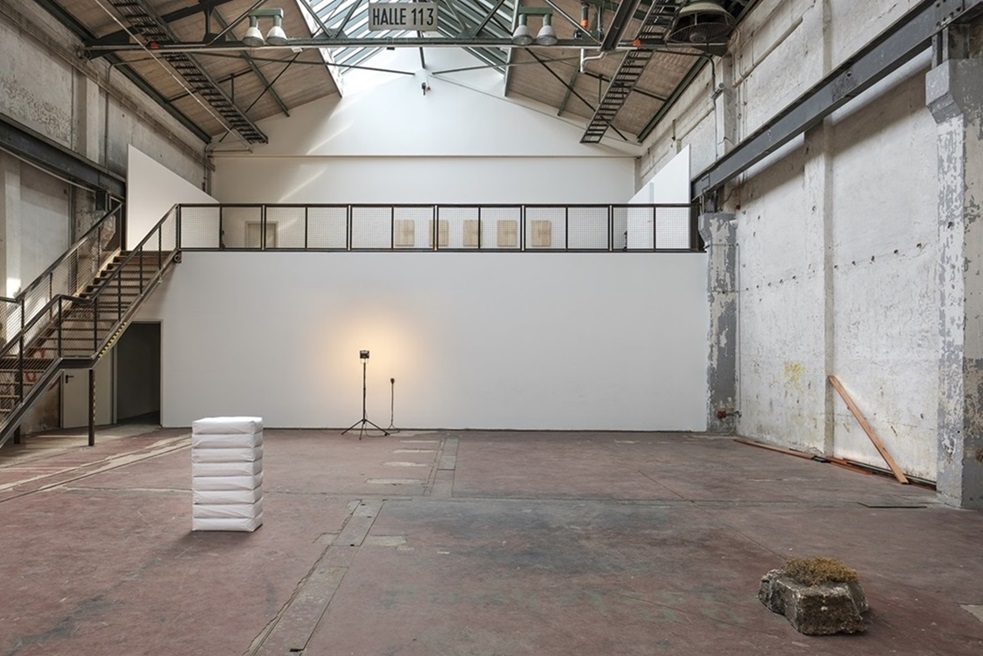
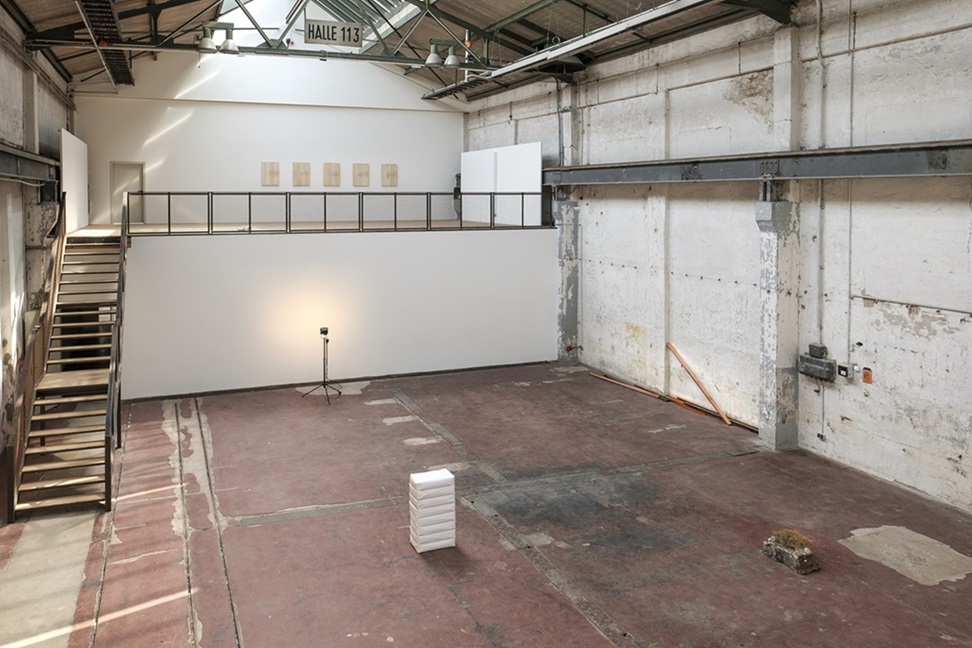
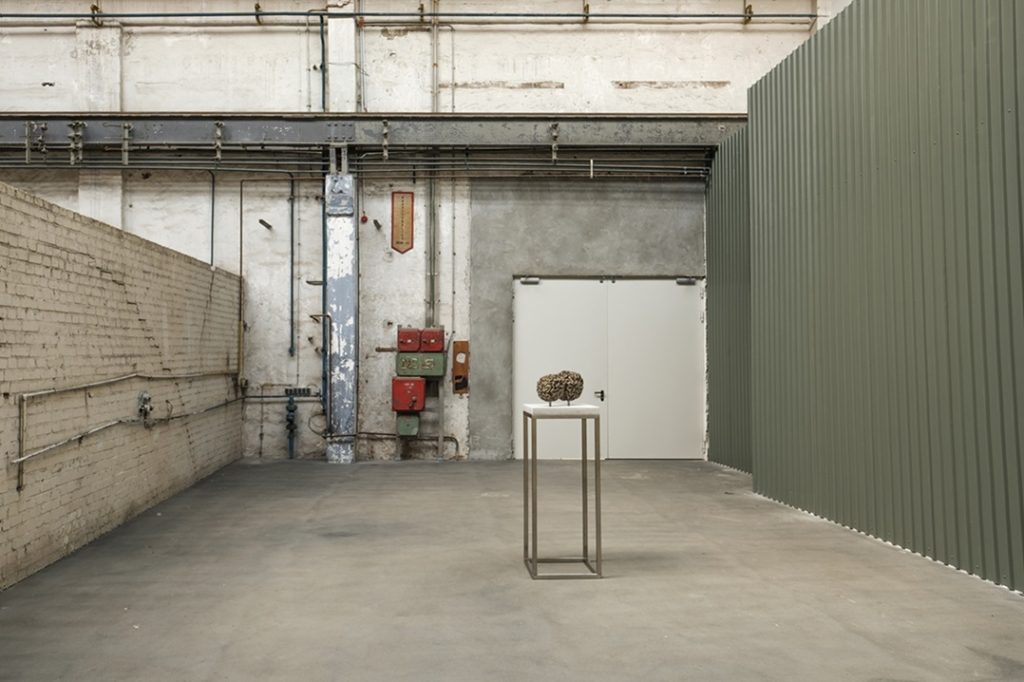
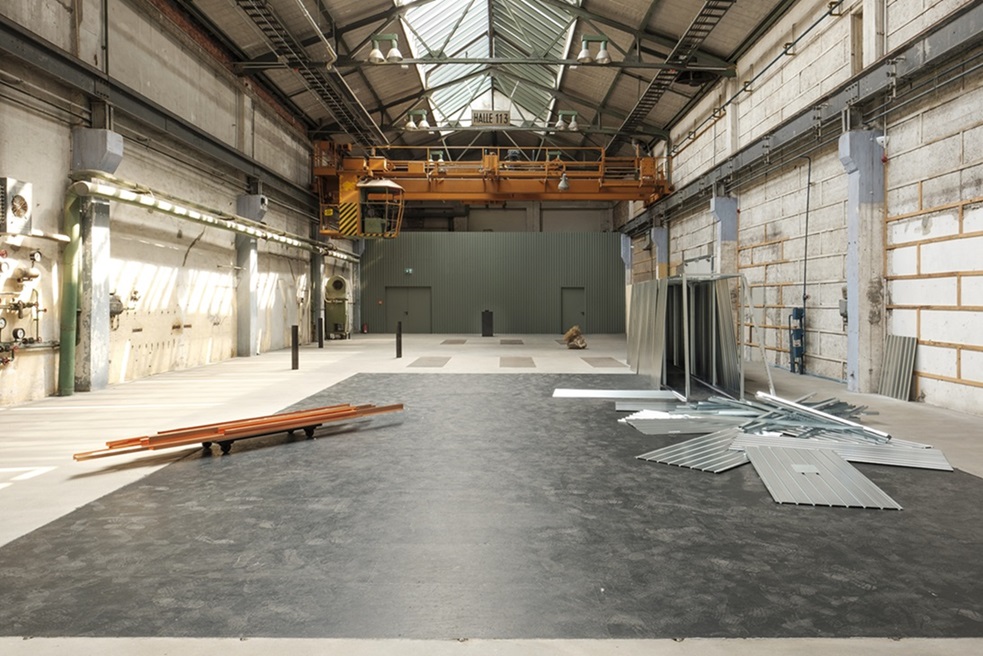
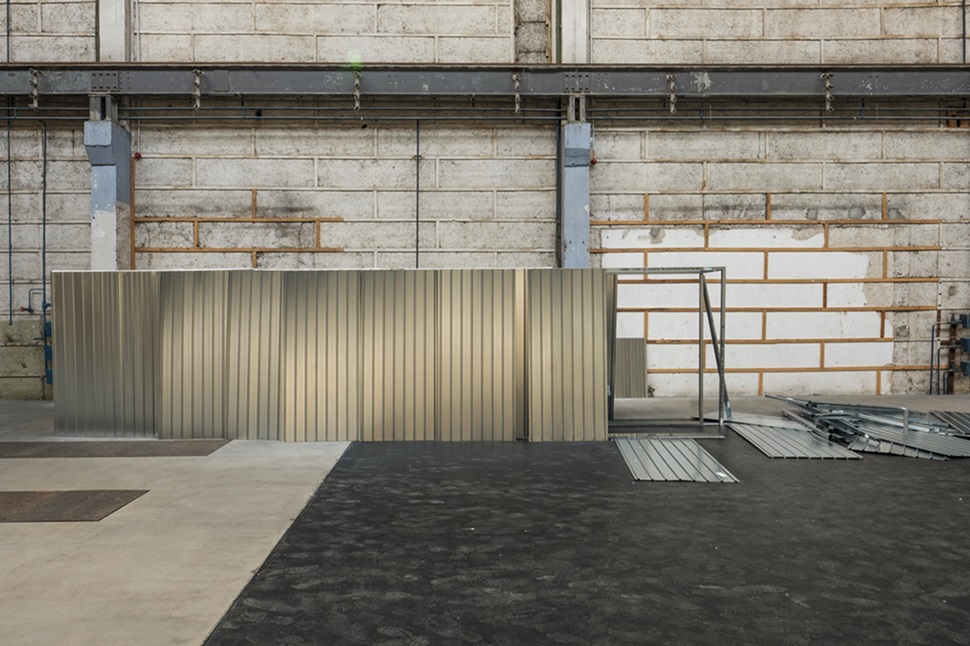
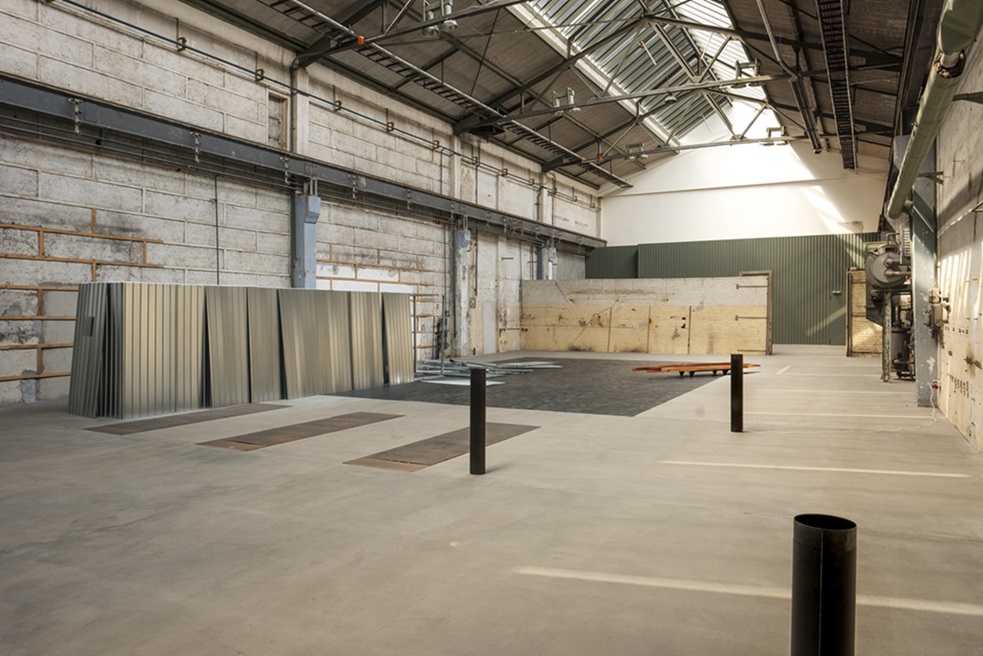
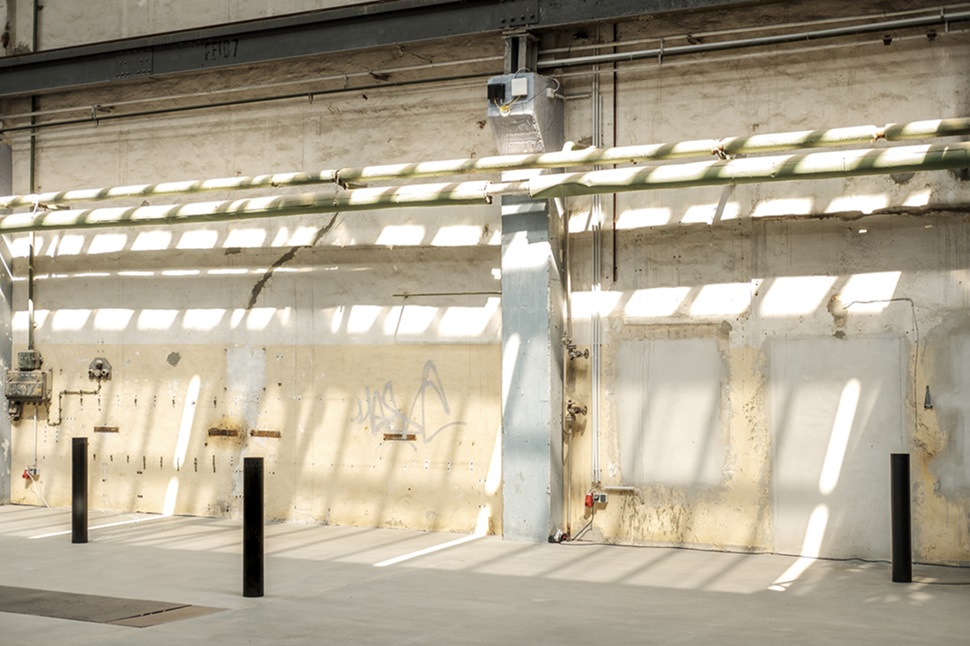
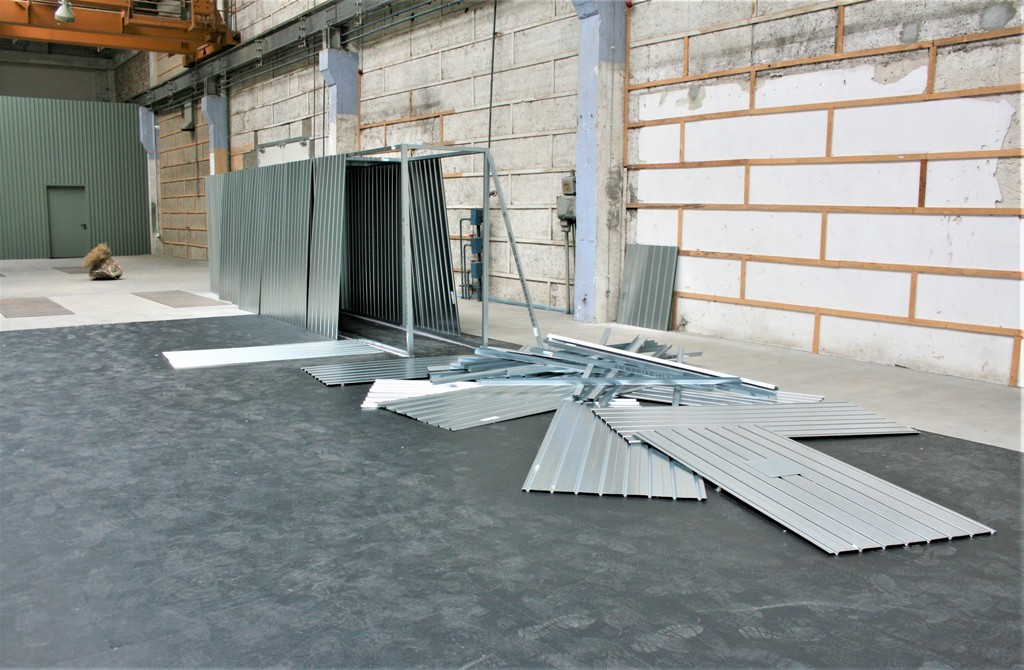
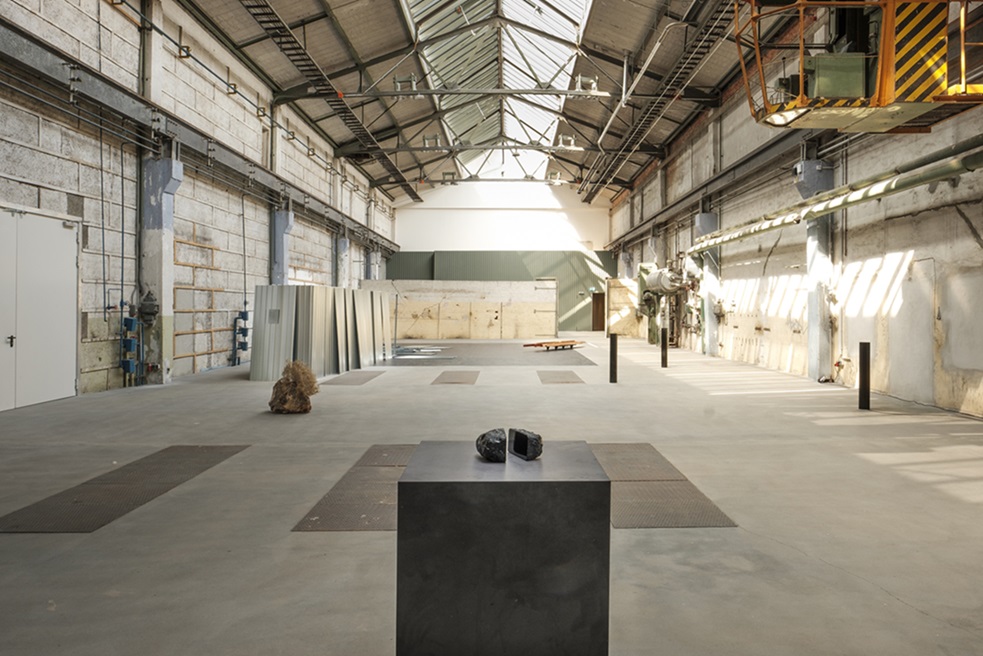
As we’re going to see, into the post industrial space of the institution, the artworks are presented as an archipelago of materials that someone can approach visual as well as through touch and feel.
Is there an essence without existence? How is the manipulation of matter a producer of meaning?
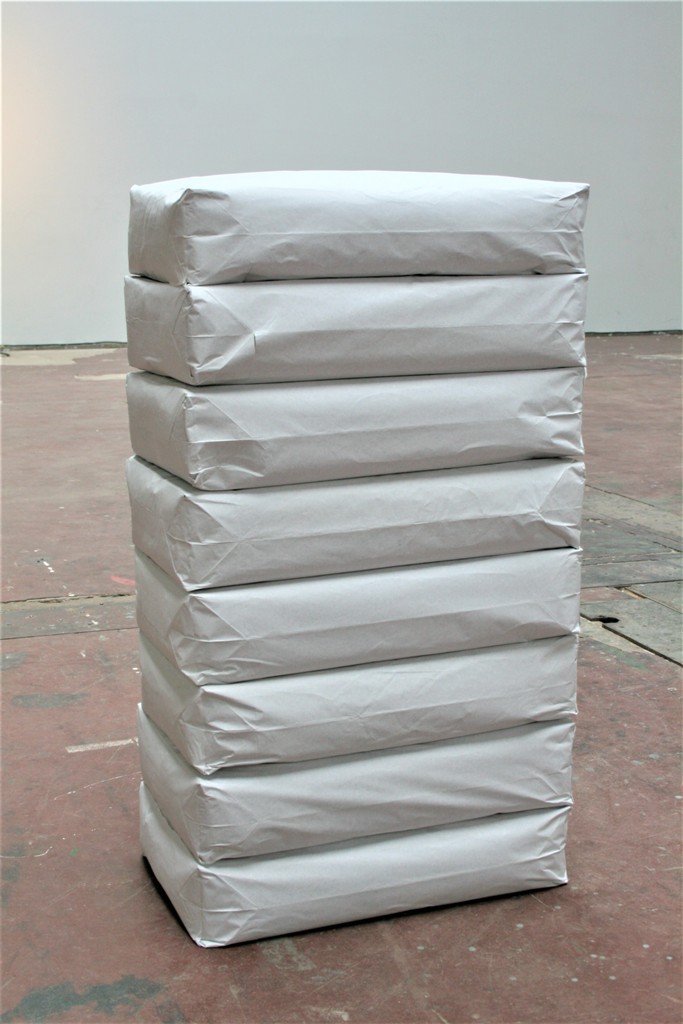
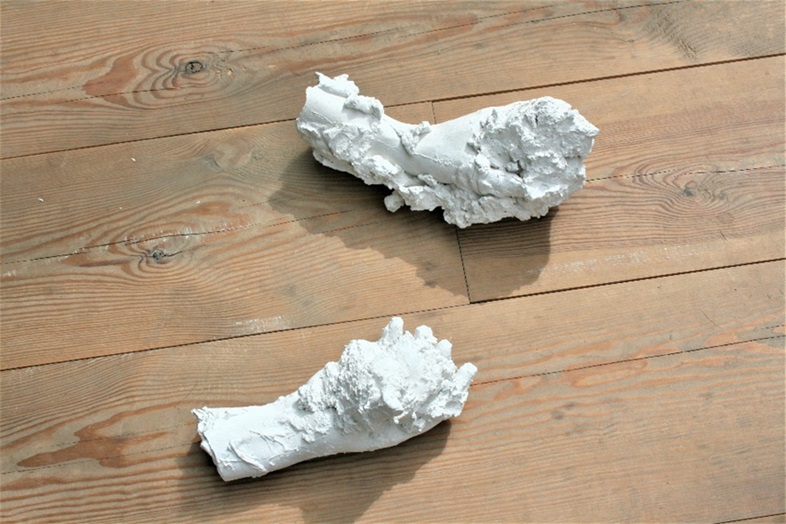
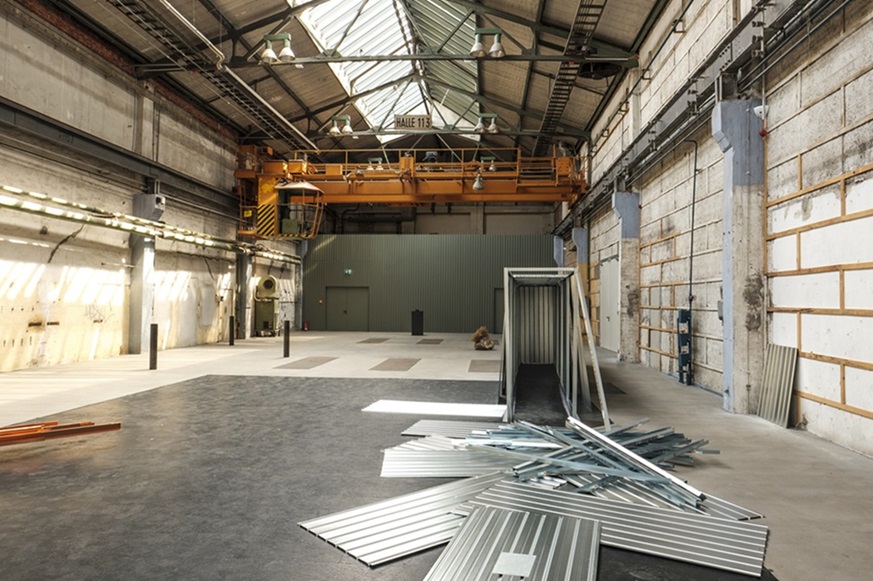
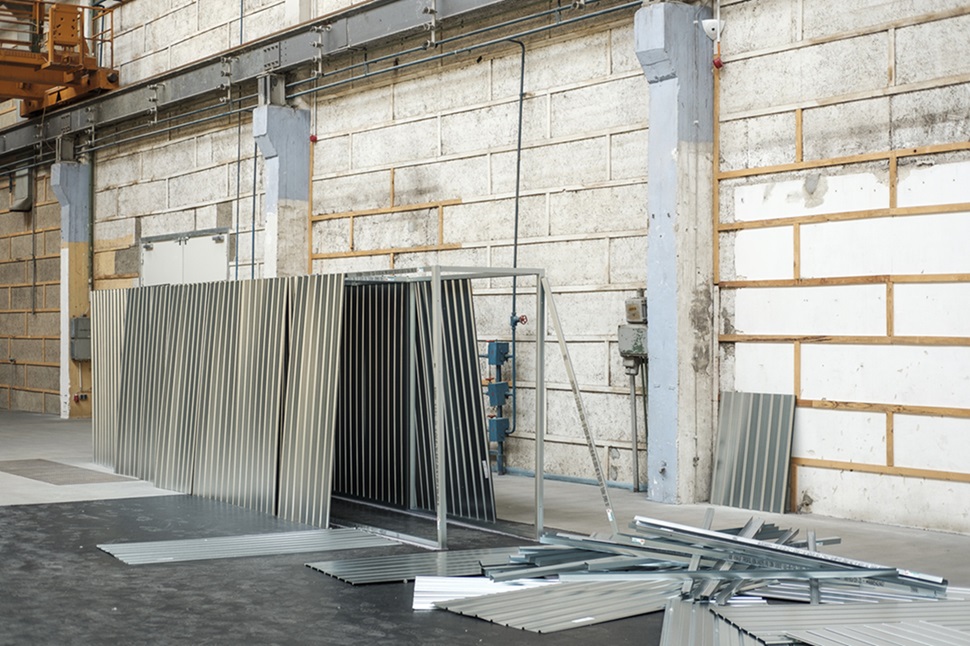
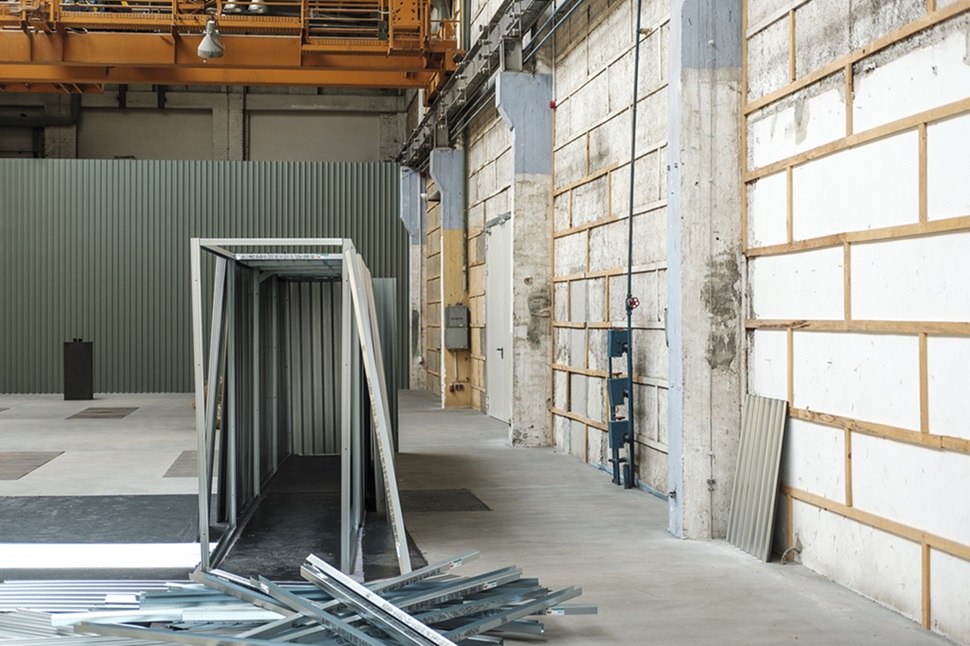
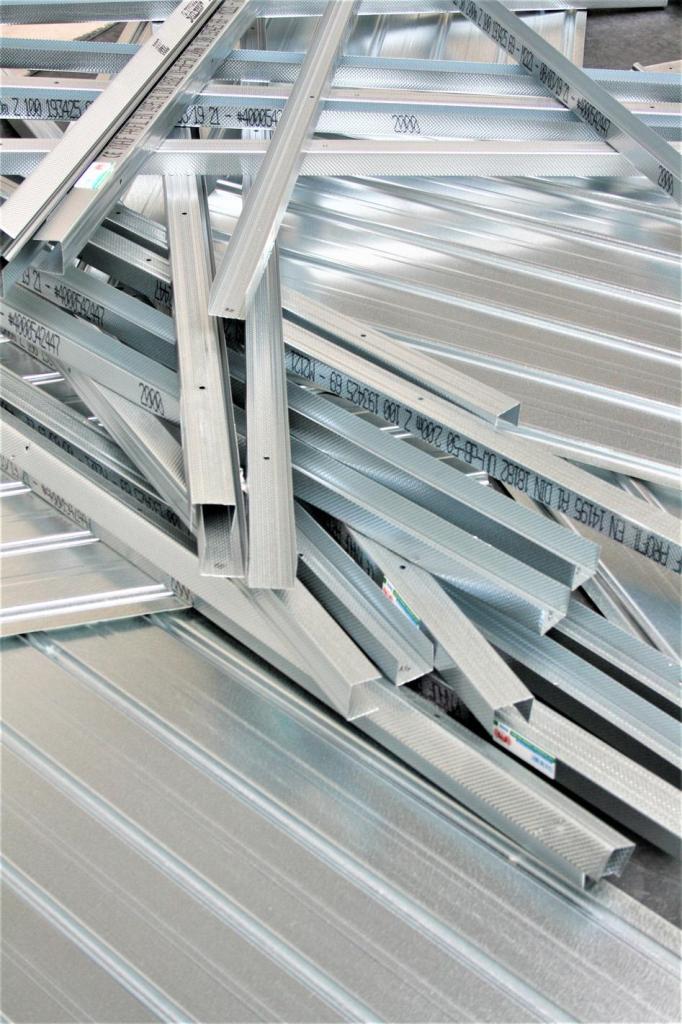
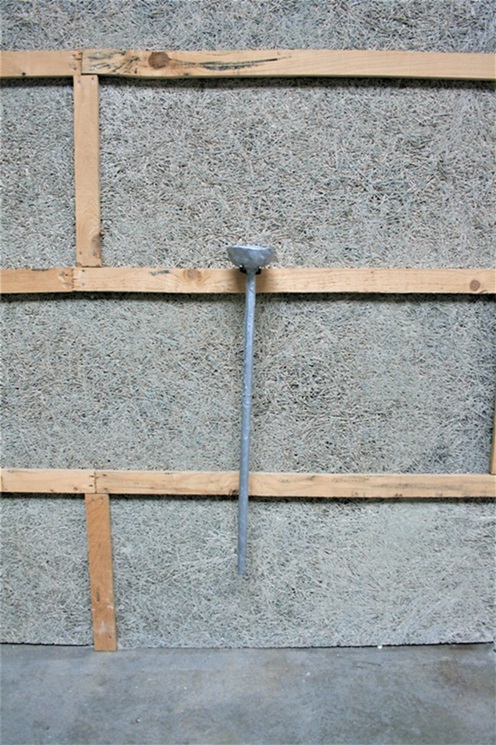
Αs we enter in, the first artwork we encounter is titled: Stone with no form by Johannes Wald. Is eight in number paper bags, one above the other, which are filled with stone dust. Approximately 700 kilograms of limestone from Brandenburg is presented without really a stable shape or form exactly as the typical bags of cement are standing in a shop and are waiting us to buy. Although the sheer material is present, it seems that denies any shaping, definition or reference. A few meters further, on the second level of the exhibition’s space, the artist presents his hands forming a material like clay casted in plaster, inseparable. With this piece, obviously, the artist trying to play with the boundaries between object and subject as the sculpture itself is just the process of having a sculpture. At the end of the exhibition’s space, where Reinbeckhallen’s industrial history it’s much more on show, next to switchboards, beams and pulleys- Wald presents a third piece. A casting tube in aluminium which literally stands between the meaningless material and the concrete form.
Following the list of artists in the order listed in our invitation, the next artist we’ve met in the show is Joerg Goelbke. His works are three rods cast in clay, gelatin and bronze were subjected to different processes such as burying them for a long time in the soil and then cast in bronze. For those are familiar with his works, Goelbe loves to bring materials into unexplained adventures extending their existence into an unknown future through multiple transformations!
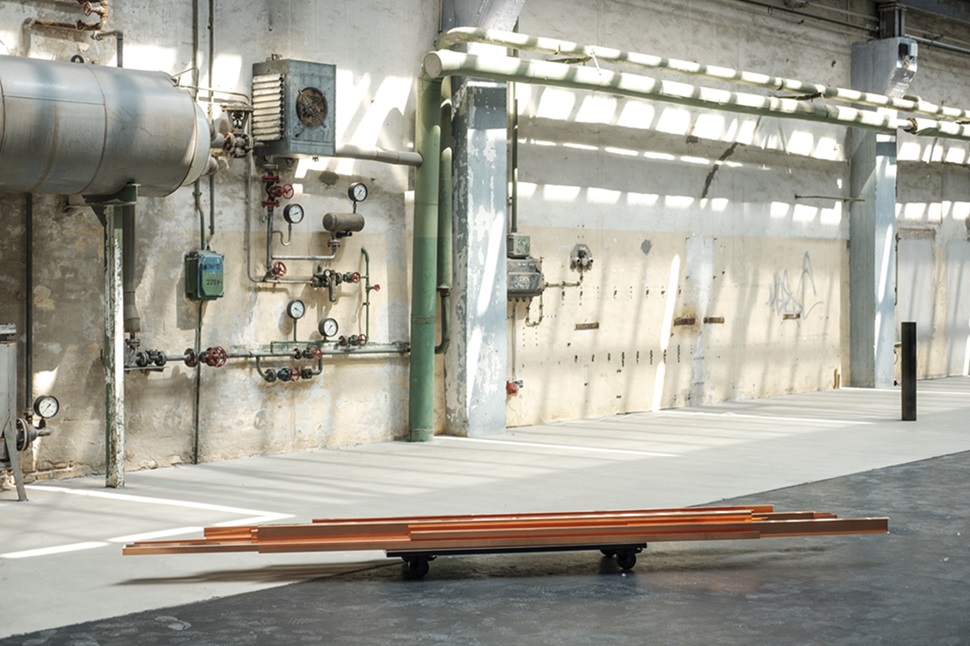
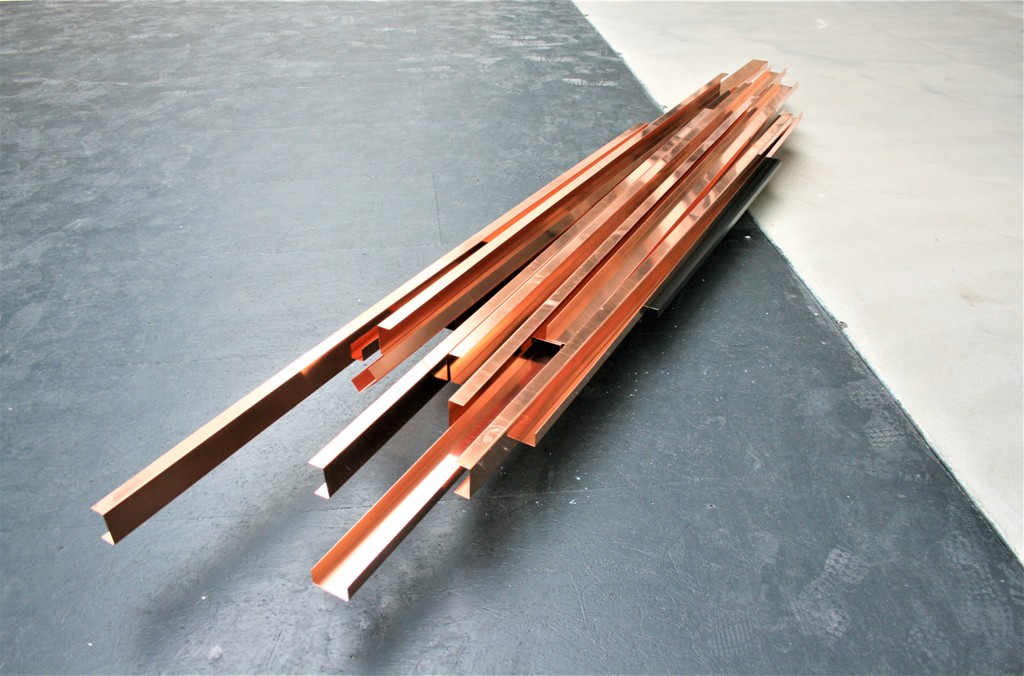
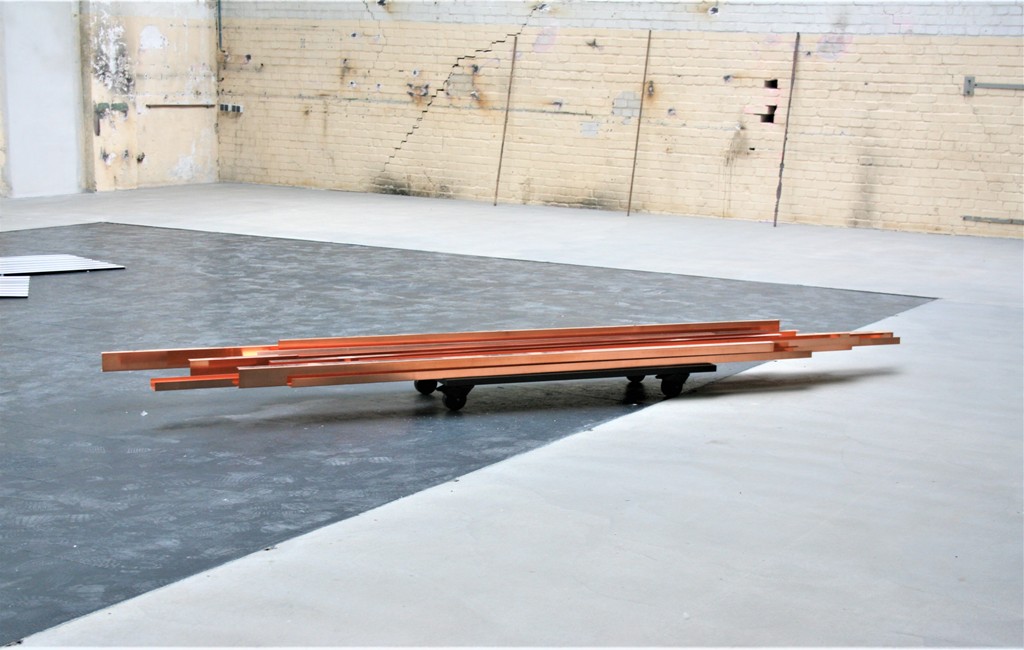
Looking at Natalia Stachon’s works, one can hardly avoid their relationship with the history of minimalism. Stachon’s pieces are U-shaped copper profiles reminiscent first of all of essentially formally oriented floor sculptures by 1960s British Minimalists such as David Hall and Anthony Caro or the iron floor sculptures by the American artist Donald Judd. But if we concentrate on the ready-made character of the material, the chance elements in the layering variations and the instability of the structure as a whole, then key works come to mind in the border area between Minimal and antiform by artists such as Richard Serra and Robert Morris.
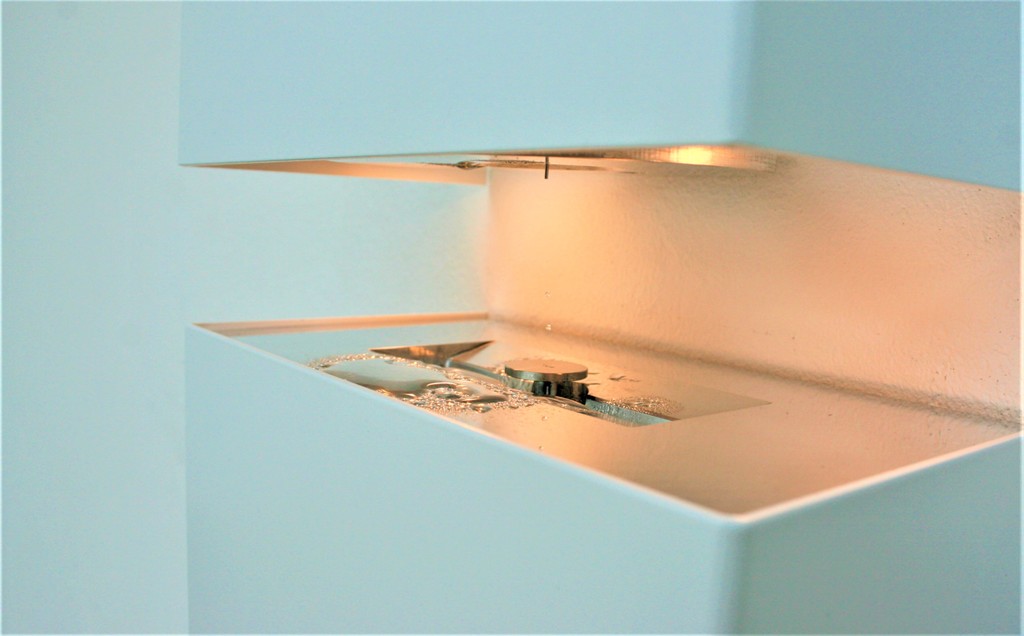
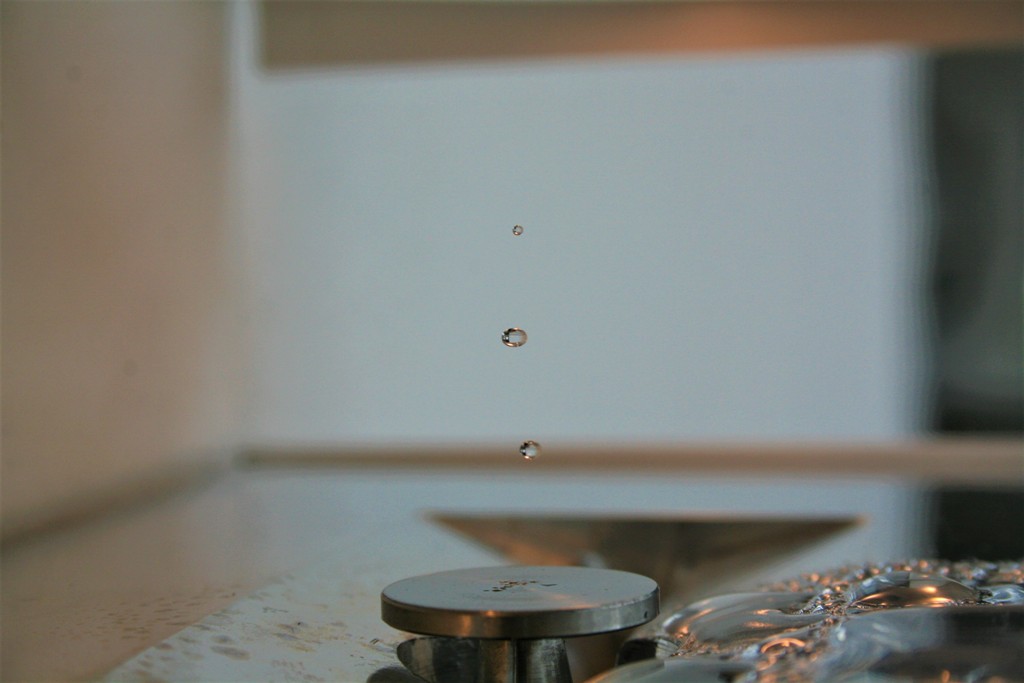
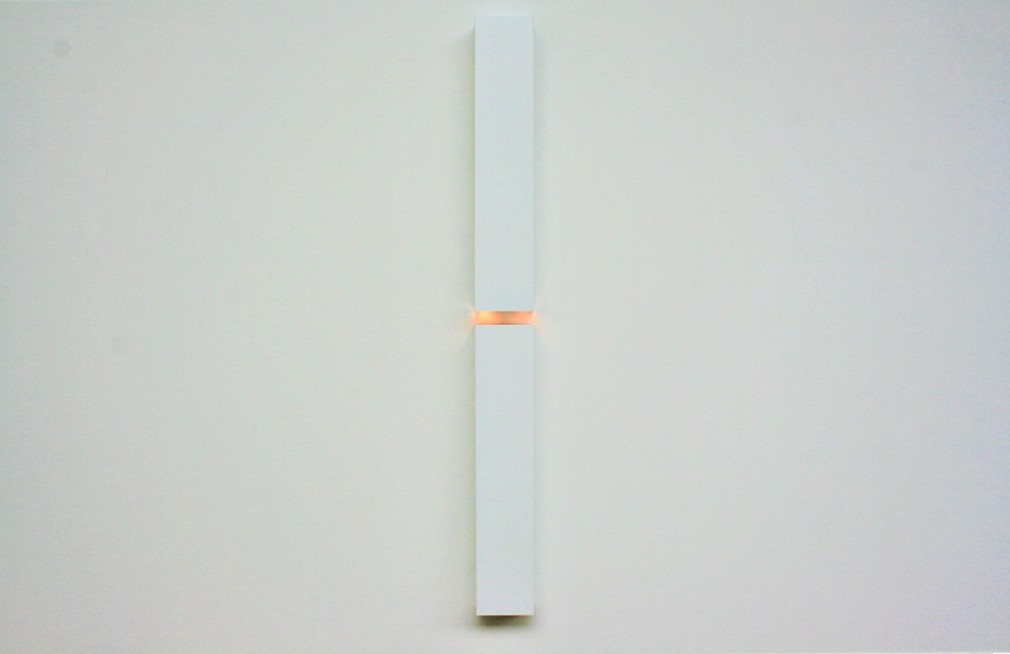
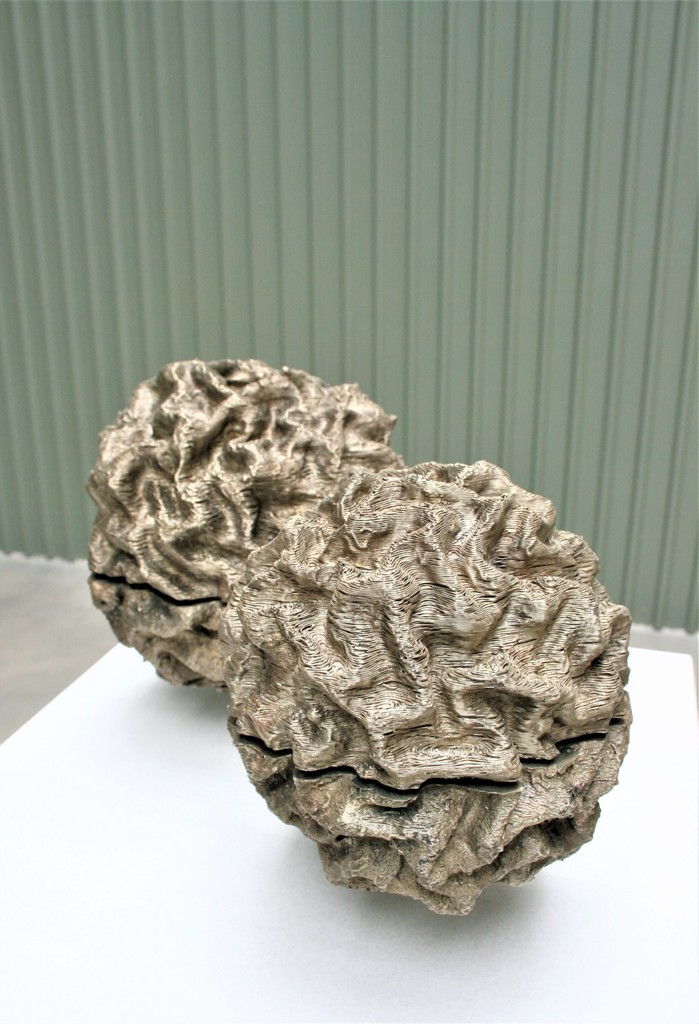
As we enjoy the long walk offered by the rich spaces of the institution, we come across the works of Andreas Greiner. Τhe artistic practice of Andreas Greiner explores the boundaries or non-boundaries between nature and man -the text says. The piece “ Water floating in Space” -have being created in collaboration with the artist Armin Keplinger, (A/A)– is a construction made out of aluminum, destilled water and a signal generator for ultrasounds. The goal of the artistic duo was to somehow immobilize a drop of water in the air! Indeed, this mechanical construction has the ability to keep a drop of water in the air, allowing viewers to observe an overall ephemeral but not usual phenomenon at all as they have somehow “freeze” the time. Further on, Greiner presents a piece from his recent series Hybrid matter. A Replicated seed in 3D print cast in Nickel Silver.
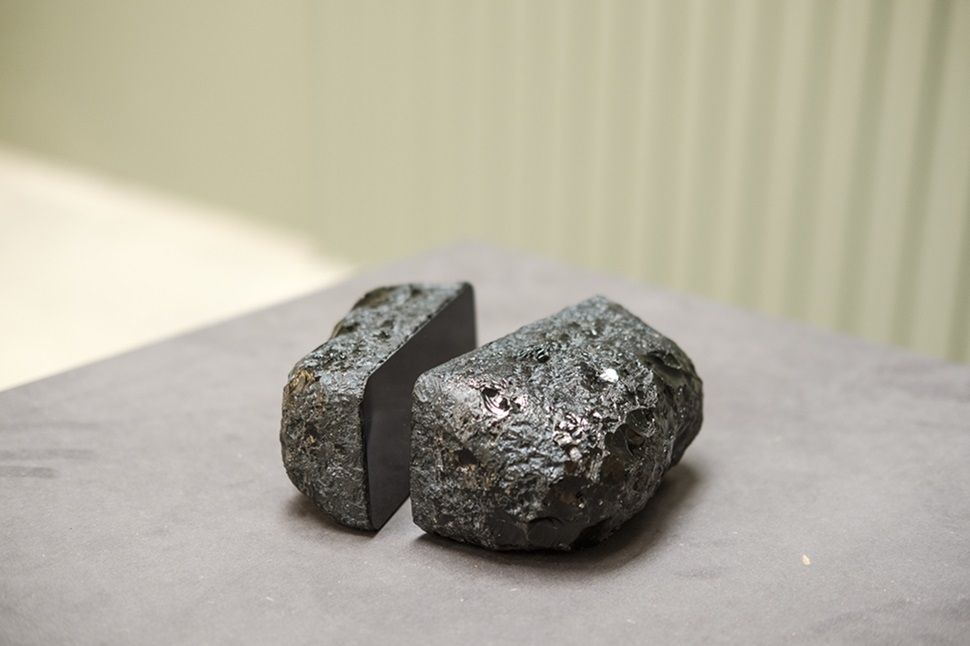
Antonia Hirsch’s piece is a black stone of glass splited in two with the two surfaces in the cut look perfectly like those of our mobile phones. The title of her piece: Black Echo.
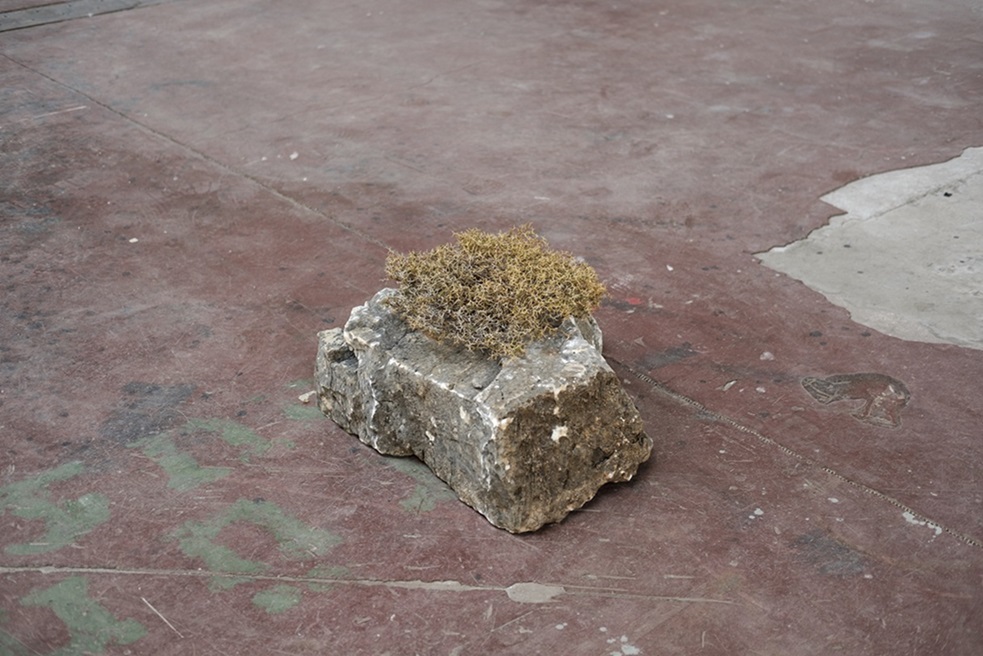
Spyros Hadjidjanos’s “Euphorbia Acanthothamnos” are two plants on a rock of Pentelic marble -the marble that have being used at the classical times to build the temples on Acropolis in Athens. His «rocks» have being brought from Greece and shared between the two rooms of the exhibition opened them to a dialogue with rest of the artworks as well as with the post-industrial environment of the Reinbeckhallen.
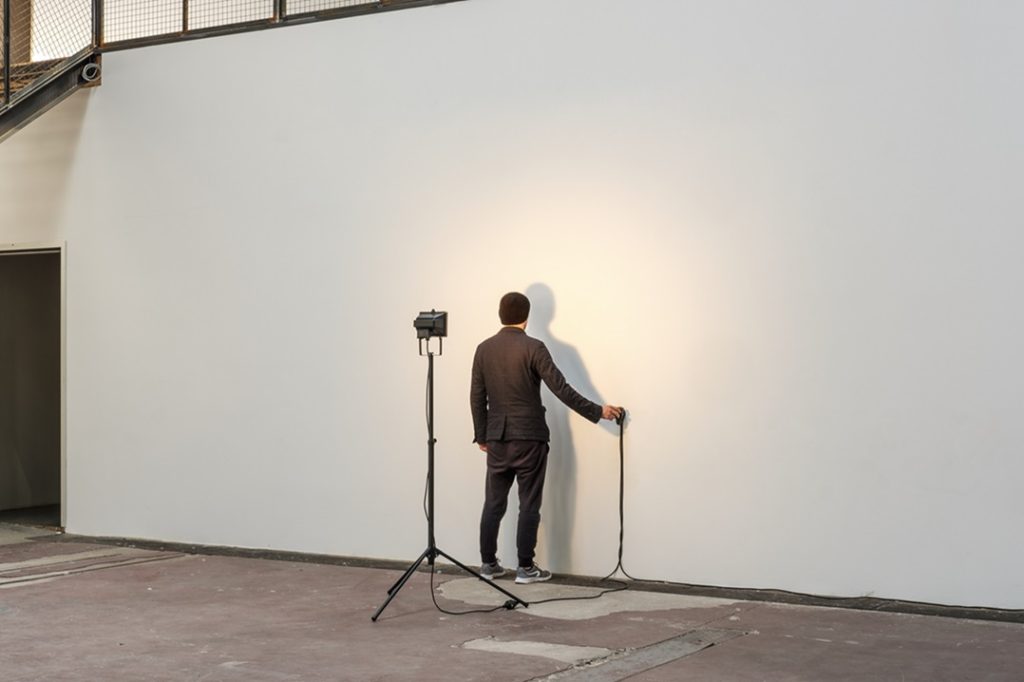
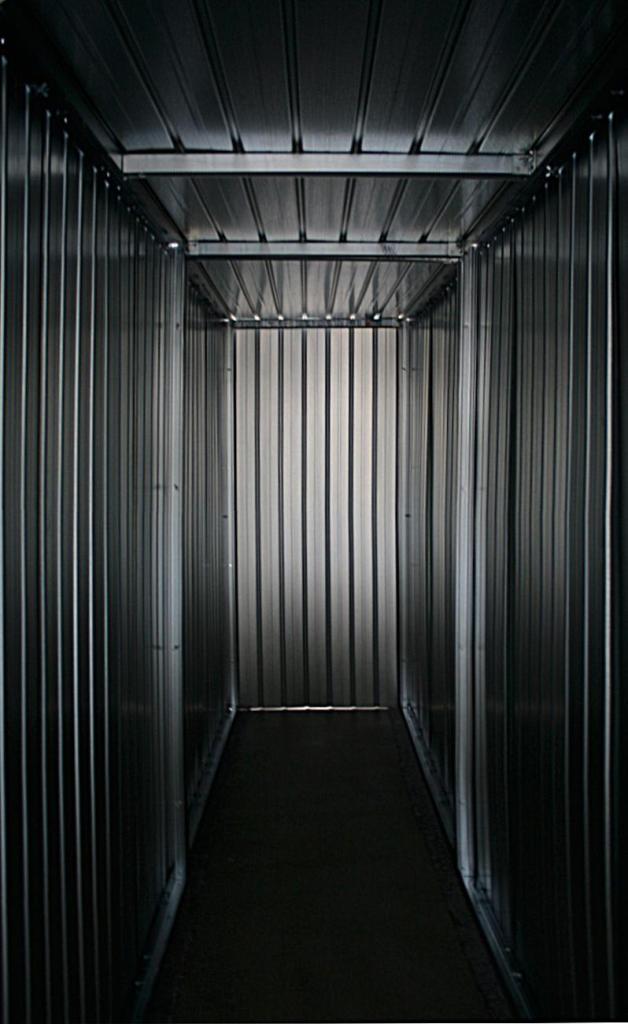
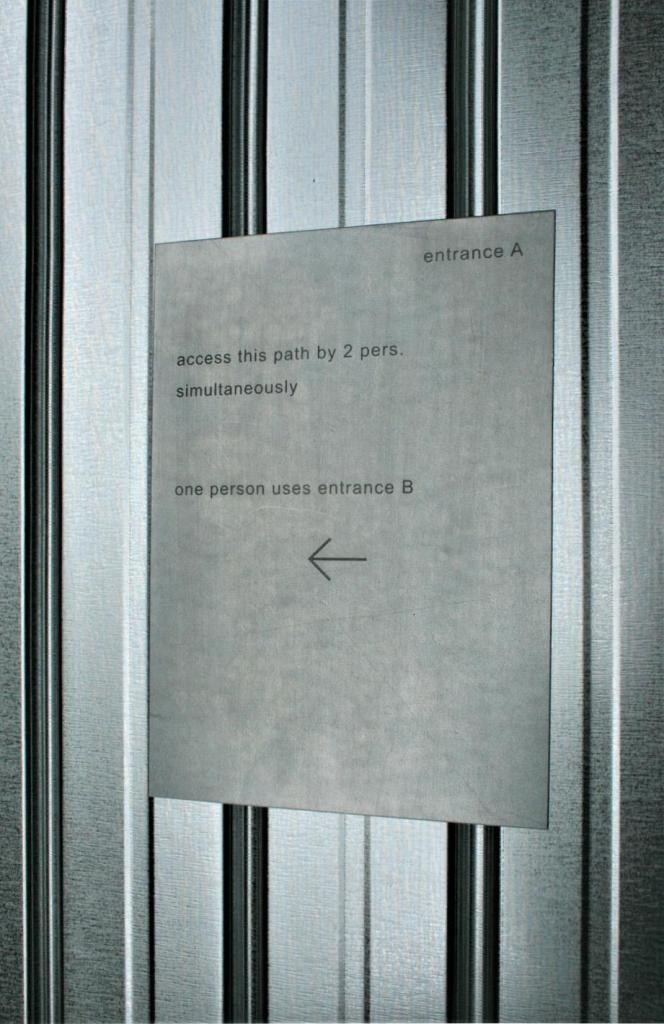
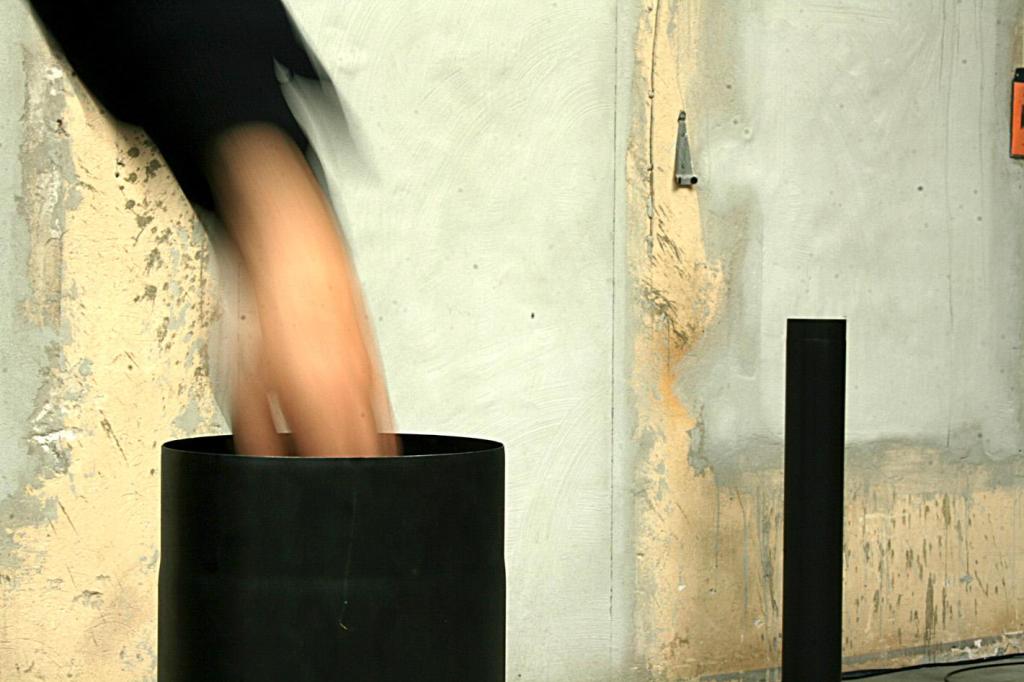
Juan Varela presenting three artworks. The first one we meet in the space is a floor lamp that faces the wall with a distance of about two meters. The lamp is connected to a dimmer switch that that has being screwed straight in front on the wall inviting the viewer to use it. The user, as he stands in between has the ability to create his silhouette on the wall as well as to make it disappear, creating in my mind an indirect reference to Plato’s allegory of the cave. Varela’s second piece is titled “failed instructions”. For those are familiar with the artist works, Varela has once again created a narrow dark corridor where as he usually does he invites visitors to cross it from both sides so that they meet inside without seeing each other, but communicate through touch and feel. In this particular case, however, the artist decides not to even allow entry into the construction, giving way to imagination. Very close from his «inaccessible corridor», we find three pipes that stands on a vertical position. They are once again a performative artwork, a tryptich that’s called Euphrosyne, Aglaea and Thalia. The three graces. All pipes are allow us to put our hands in them where we can find three different elements: Water, fur and heat.
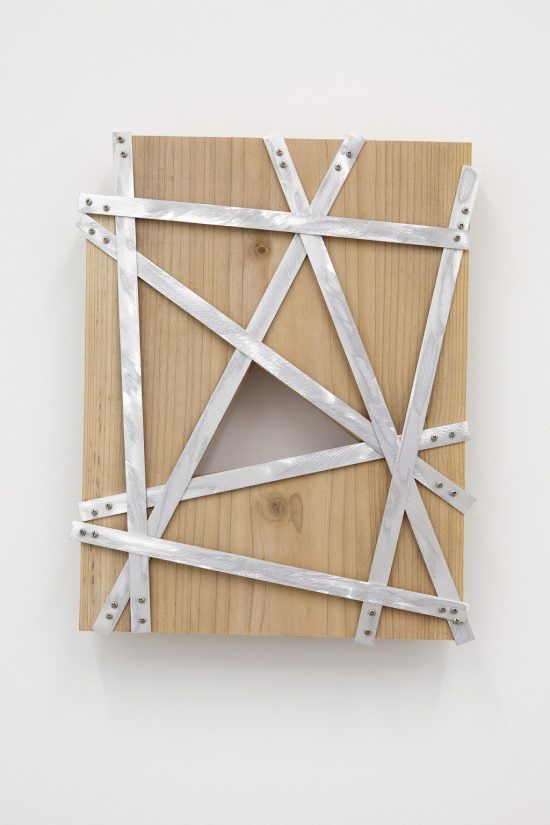
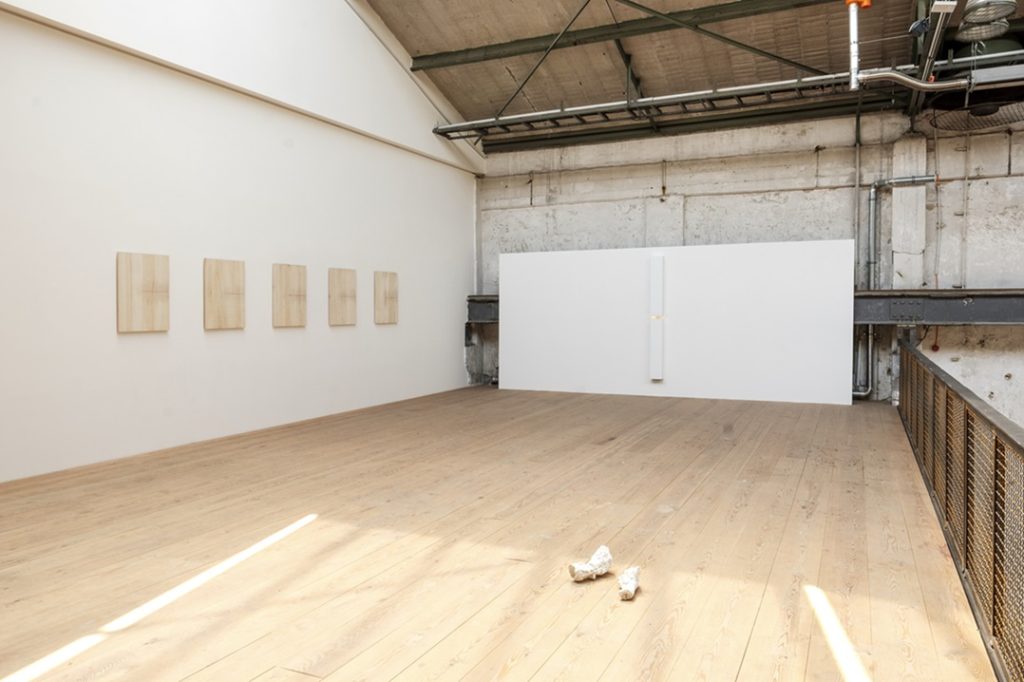
Finally, Panagiotis Margaritis presenting 5 planks of wood with a «jigsaw drawing» on. The artist repeats a freehand jigsaw cut from the left of each piece to the center creating an irregular repetition. As it’s obvious, the gap left by the cut is filled with wood putty of different type of wood thus forming an unorthodox painting that extends both on the surface and deep inside the pores of the wood. On one hand, Margaritis seem to developing a hybrid glossary that is hidden in purpose into his methodology as much as in the materials. On the other hand he just seem to celebrate painting as the “wood putty” makes the rest of the wood look like just a frame. He may does both!
Kristina J. Oswald







Artists: Johannes Wald, Jörg Gelbke, Natalia Stachon, Andreas Greiner, A/A, Antonia Hirsch, Spiros Hadjidjanos, Juan Varela, Panagiotis Margaritis
Venue: Reinbeckhallen Foundation -Collection of Contemporary Art
Exhibition title: YOU ARE -ontological positions around matter
Curated by: Juan Varela and Panagiotis Margaritis
Supported by the collector Sven Herrmann, Daniel Marzona and Loock Gallery
Date: April 27 – May 4, 2019
Photography: Little Mermaid and Contemporaneities
Text by Kristina J. Oswald
© Reinbeckhallen Foundation -Collection For Contemporary Art, LOOCK GALLERY, DANIEL MARZONA Gallery.